22 Jul 2026
Strategic Resource Division for Merging Casino Rotations and Cross-Sport Parlays Through Handheld Applications
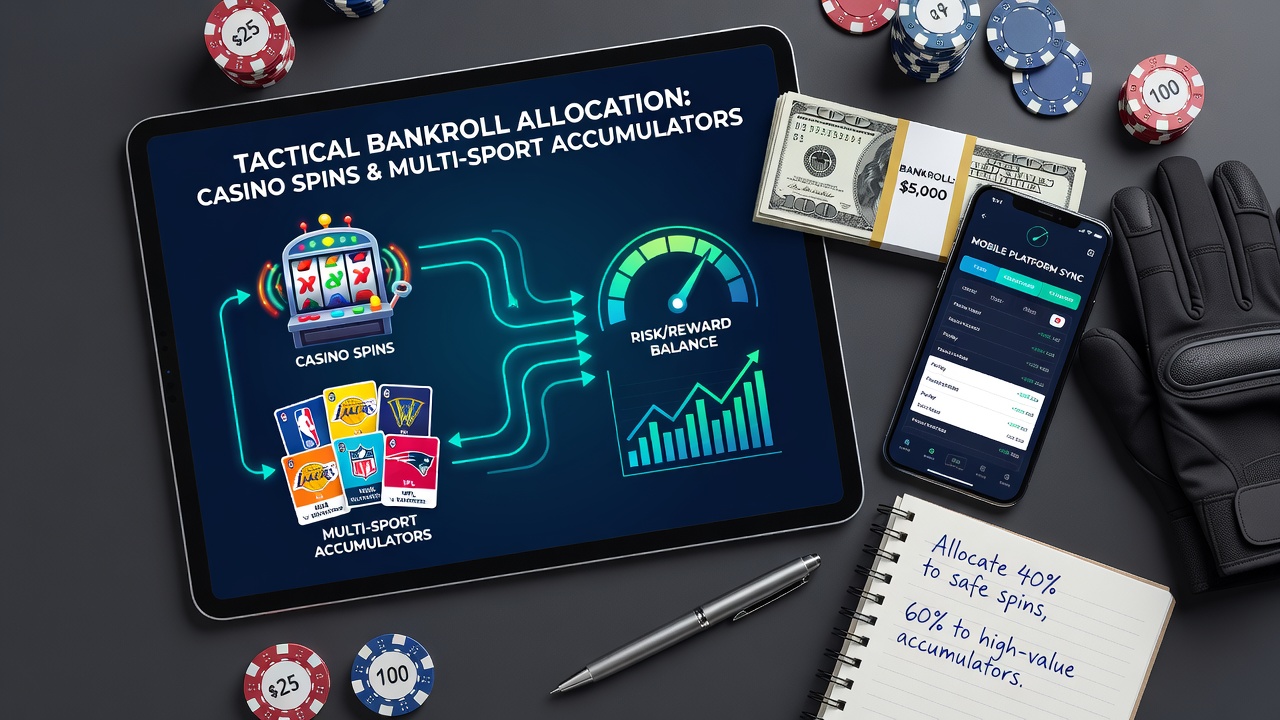
Participants in modern gambling environments often divide available funds across distinct activity types to maintain participation levels over extended periods. Research from the Australian Institute of Family Studies shows that structured allocation methods help users track expenditures when they combine short-duration casino mechanics with longer-form multi-sport selections on portable devices. Data collected through platform analytics in early 2026 revealed increased usage of segmented wallets within apps, where one portion supports repeated spin sequences while another covers accumulator construction across football, tennis, and basketball markets.
Core Principles of Segmented Fund Management
Operators provide tools that allow users to designate separate ledgers for different verticals. One ledger handles rapid spin cycles with smaller, repeated stakes, whereas the parallel ledger supports multi-leg selections that require larger individual commitments but occur less frequently. Studies conducted by the University of Nevada, Las Vegas gaming research unit indicate that users who maintain at least a 60-40 split between high-frequency and low-frequency activities report fewer instances of unplanned depletion during sessions that extend past two hours. These divisions appear on screen as distinct balance displays, updated in real time as spins resolve or accumulator legs settle.
Platform algorithms in July 2026 began prompting users to set percentage caps before each session begins. The prompts draw from historical play patterns stored locally on the device, suggesting limits based on prior session lengths rather than imposing external restrictions. This approach lets individuals adjust caps according to their own risk tolerance while still receiving reminders when one ledger approaches its designated threshold.
Integration of Casino Spins Within Accumulator Workflows
Many applications now embed spin interfaces directly alongside accumulator builders. A user constructing a five-leg football parlay can switch to a quick spin sequence without closing the accumulator view, and any winnings from spins credit automatically to the casino-specific ledger. Observers note that this seamless transition reduces the temptation to borrow from the accumulator fund for additional spins. Figures released by the Canadian Centre for Gaming Research show a 12 percent reduction in cross-ledger transfers among users who activate the embedded switch feature during peak evening hours.
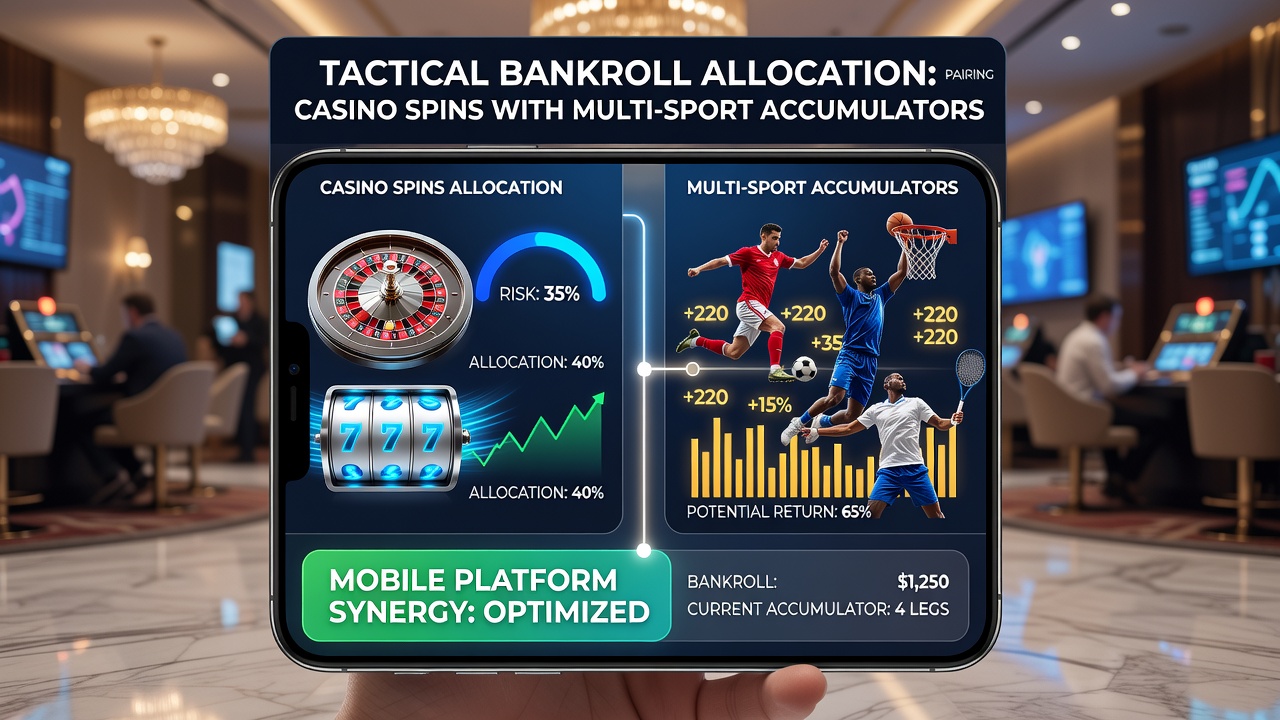
Timing plays a measurable role. Data indicates that users who schedule spin activity immediately after accumulator legs reach settlement points experience steadier overall balances. The settlement notifications arrive via push messages, at which point the app highlights the current split between ledgers and offers an option to rebalance before the next spin round begins. This sequence creates natural checkpoints that align with the resolution pace of multi-sport events.
Device-Specific Features Supporting Allocation
Handheld platforms incorporate biometric prompts and session timers that reinforce the separation of funds. A fingerprint or facial scan can be required before funds move between ledgers, adding a deliberate pause. Session timers display elapsed time alongside remaining allocation percentages, helping users recognize when one activity has consumed a disproportionate share of the evening's resources. Reports from the Responsible Gambling Council of Ontario document that devices using combined biometric and timer safeguards recorded lower average session durations compared with standard interfaces lacking these elements.
Third-party analytics services that integrate with major operators supply heat-map overlays on the device screen. These overlays show which hours of the day historically produce the largest swings in each ledger type. Users can then schedule accumulator construction during periods of lower volatility and reserve spin sequences for shorter windows where quick resolutions align with the 60-40 framework.
Adjusting Allocations Based on Event Calendars
Multi-sport accumulators often cluster around major tournaments or league rounds. In July 2026, overlapping tennis and basketball calendars created denser selection opportunities than typical mid-summer periods. Platforms responded by offering temporary reallocation sliders that let users shift a small percentage from the spin ledger into the accumulator ledger for the duration of the overlap. The sliders revert automatically once the final leg of the active accumulator settles, returning the original proportions without manual intervention.
Historical transaction logs stored on the device allow users to compare allocation performance across similar calendar clusters from previous years. The comparison appears as a simple line graph rather than raw numbers, highlighting whether the 60-40 baseline held steady or required adjustment when event density increased.
Conclusion
Structured division of funds across casino spins and multi-sport accumulators on mobile platforms relies on clear ledger separation, timely prompts, and device-level safeguards. Available data from multiple research bodies demonstrates that these methods produce measurable differences in session length and cross-ledger movement. As calendar overlaps continue to influence selection density, the same tools that enforce allocation also provide users with visual feedback on how their chosen splits perform under varying event loads.