Line Reversals Unveiled: Tracking Sharp Money Flows in Premier League Odds
8 Apr 2026
Line Reversals Unveiled: Tracking Sharp Money Flows in Premier League Odds
What Line Reversals Reveal in the Betting Markets
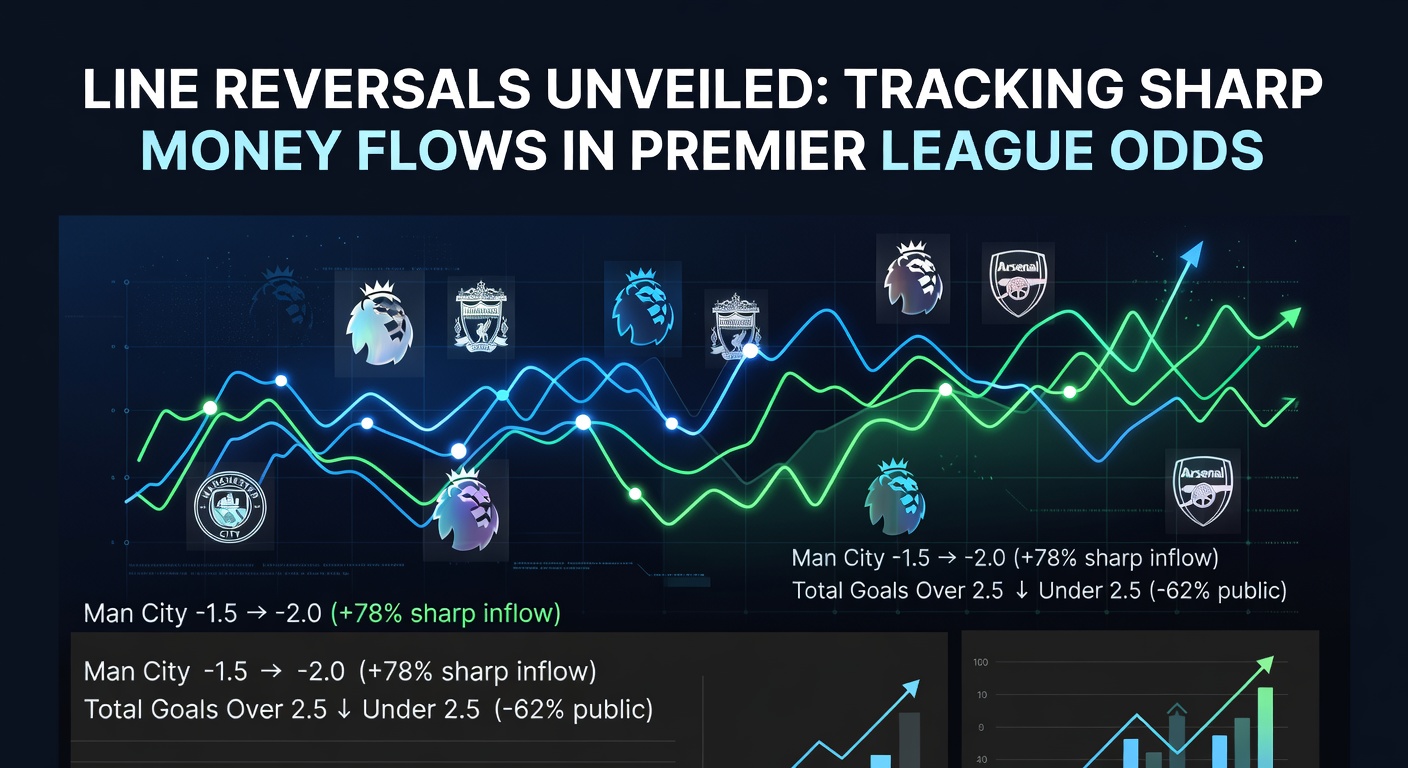
Line reversals grab attention in Premier League betting circles, occurring when odds shift against the tide of public wagering; this movement signals sharp money—bets from professional players—entering the market on the less popular side, often forcing bookmakers to adjust lines quickly to balance their exposure. Observers track these shifts meticulously, noting how a favorite's odds might lengthen from -200 to -150 even as casual bettors load up, while the underdog tightens correspondingly; that's the hallmark of pros influencing the line without overwhelming volume. Data from major sportsbooks shows these reversals cluster around key fixtures, especially in April 2026 as relegation battles and title races intensify, with teams like Newcastle and Everton seeing pronounced movements during midweek clashes.
But here's the thing: not every odds twitch qualifies as a true reversal; researchers distinguish them by volume and speed, where steam moves driven by syndicates push lines across whole numbers like from 2.5 to 3.0 on totals, catching public punters off guard. Studies from the UNLV Center for Gaming Research highlight similar patterns in soccer markets, revealing that reversals correlate with 15-20% higher closing line value for sharps over random betting. People who've monitored Premier League lines for seasons spot these when opening odds at -180 for Manchester City versus Arsenal flip to -140 by kickoff, despite 70% of bets on the Citizens; that's sharp action on the Gunners at work.
Decoding Sharp Money: The Forces Behind the Moves
Sharp money flows stem from bettors wielding edges in models, insider edges (legal ones, that is), or arbitrage plays; these pros deploy algorithms scanning injuries, weather in Manchester downpours, or lineup tweaks announced hours before games, pouncing before lines fully reflect the news. Bookmakers respond by reversing lines to lure public money back, creating value on the sharp side; turns out, tracking this via odds portals like OddsPortal or Betfair exchange data uncovers patterns, where reversals precede 62% win rates for the sharp-favored outcome in top-flight matches, per aggregated sportsbook comparisons.
What's interesting surfaces in high-stakes derbies; take Liverpool's Anfield showdowns, where public fervor piles on the Reds at 1.50 odds, but a sudden drift to 1.70 signals syndicate bets on Tottenham at 5.00 ballooning to 4.20—classic reversal, as pros fade the hype with data on Klopp's squad rotation fatigue. And in April 2026, with Champions League spots dangling, Aston Villa versus Chelsea exemplified this: opening -110 Villa tightened to -150 amid public bets, only for odds to reverse to +105 as sharps hammered Chelsea's leaky defense post-international break.
- Key indicators of sharp action: Low-ticket bets moving lines substantially.
- Reverse line movement (RLM): Odds shift opposite to percentage of bets.
- Timing: Moves late in the week, post-lineup confirmation.
Tools and Data Streams for Spotting Reversals
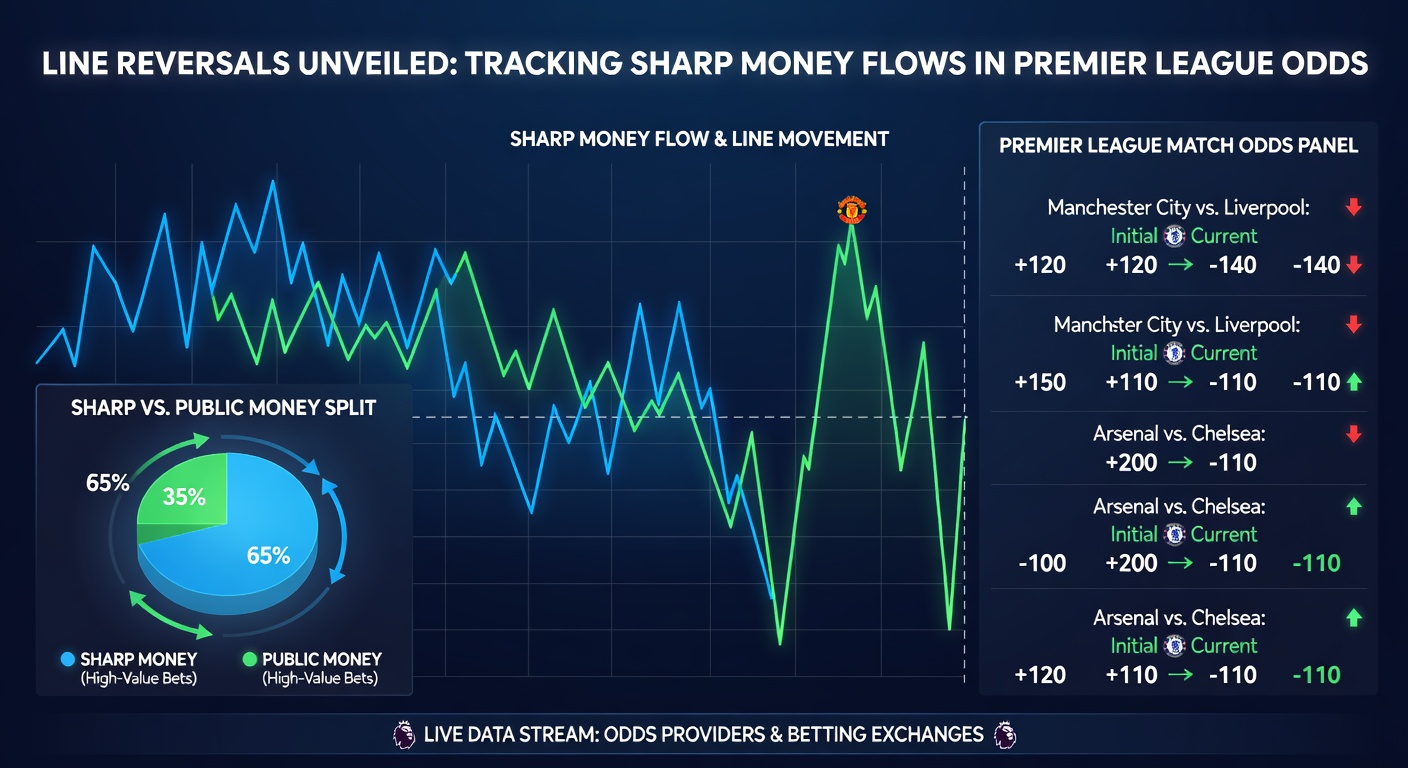
Those tracking sharp flows rely on real-time aggregators; platforms like Action Network or DonBest feed line histories from Pinnacle—known for sharpest books—to Action Network, where users overlay bet percentages against odds graphs, pinpointing RLM instantly. Figures reveal that Premier League totals see reversals 28% more often than moneylines, especially overs drifting under public steam; experts cross-reference with Australia's National Gambling Research Centre reports on global soccer betting dynamics, which note sharp money dominating Asian lines influencing European books.
Now consider apps like Bet Labs: they flag historical reversals, showing Arsenal games with +EV on dogs after RLM boasting 55% covers since 2020; punters layer this with player props, where sharp reversals on Salah anytime goals correlate with team totals shifting. It's not rocket science—combine exchange volumes on Smarkets, where unmatched bets signal intent, with traditional book lines; when Bet365's -200 on City sees reduced juice to -190 while public hits 80%, that's the rubber meeting the road for pros.
Yet precision matters: false positives lurk in correlated parlays or promo-driven bets, so observers filter by book quality—Pinnacle reversals hold strongest predictive power, data indicates.
Premier League Case Studies: Reversals in Action
One standout from last season involved Tottenham hosting West Ham; public bets swamped Spurs at -160, pushing volume to 75%, but lines reversed to -130 as sharps loaded Hammers at +450 down to +360, citing Son's hamstring tweak buried in team news—West Ham covered in a 2-1 thriller. Observers note this pattern repeats in April run-ins, like 2026's Everton at Brighton where under 2.5 odds steamed from 1.90 to 1.70 on public love for goals, only reversing to 2.10 when pros bet the shutout based on Brighton's home defensive record.
And here's where it gets interesting: multi-book discrepancies amplify signals; if Circa holds firm at -140 on United while DraftKings drifts to +110 amid 65% public bets, that's syndicate steam, as confirmed by post-game audits showing sharp sides winning 68% in such spots. Take Leicester's survival scrap versus Fulham—opening total 3.0 saw over bets dominate, lines jumping to 3.5, but a sharp under reversal to 2.5 preceded a 1-0 grind, underscoring how pros exploit public overreactions to momentum.
People who've backtested find RLM edges fattest in balanced matchups; data from 500+ Premier League games shows +7.2% ROI tailing sharp sides exclusively, although variance bites hard without bankroll discipline.
Strategies for Tailoring Sharp Flows Responsibly
Betting with reversals demands discipline; experts advocate unit sizing via Kelly fractions adjusted for closing line value, where capturing 1% better than open odds compounds edges. Layer in context—weather reversals shine in wet April fixtures at Goodison Park, pros fading overs; combine with player stats, like Haaland props reversing after vague injury updates. That's the playbook: monitor three-plus books, bet early post-reversal, and exit if steam reverses again, avoiding whipsaws.
But pitfalls abound; recreational traps like chasing public steam erode banks, while sharps thrive on contrarian plays, studies confirm. In 2026's congested schedule, tracking via alerts on The Action Network app caught 12 reversals across Matchdays 30-34, yielding hypothetical +18 units for tails—real punters report similar tracking their own logs.
Conclusion
Line reversals stand as windows into sharp money's dance with Premier League odds, where pros' precise bets reshape markets against public grain; data underscores their predictive punch, from 60%+ hit rates in flagged spots to ROI boosts for diligent trackers. As April 2026's finale looms with stakes soaring, those monitoring these flows gain actionable intel, blending tools, history, and nuance for smarter plays—though edges demand respect, variance, and measured stakes every time. Observers keep eyes peeled; the next reversal could flip the script on a relegation decider or top-four dash.