31 Jul 2026
Embedding Self-Assessment Mechanisms Into Mobile Wagering Platforms for User Awareness
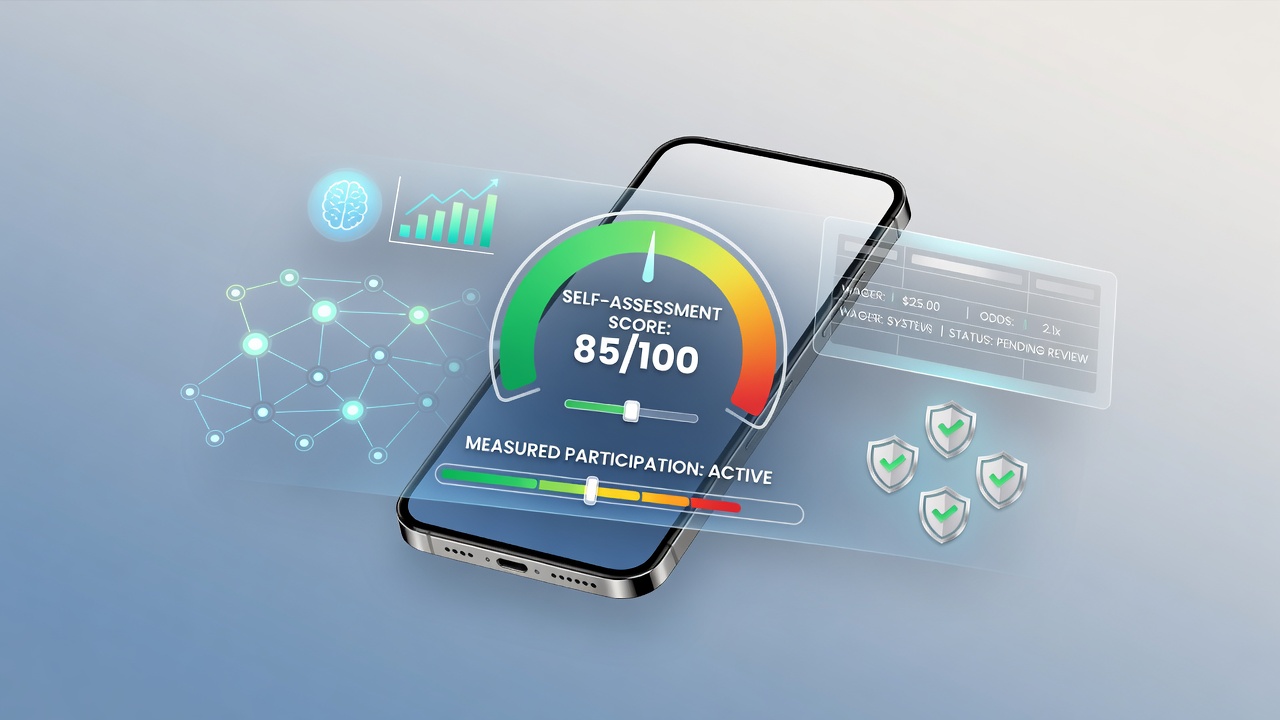
Smartphone-based wagering systems have expanded rapidly in recent years, and developers now incorporate self-assessment tools that allow users to evaluate their own participation patterns through structured questionnaires and real-time feedback modules, while studies from multiple jurisdictions document how these features operate within existing app frameworks.
Researchers at various institutions have examined the integration process, noting that tools often draw from established instruments such as the Problem Gambling Severity Index or custom variants that prompt users at set intervals to review time spent, amounts wagered, and emotional responses tied to sessions; data from pilot programs show completion rates varying between 35 and 60 percent depending on notification design and reward structures for participation.
Core Components of These Tools in Practice
Self-assessment features typically include brief quizzes that appear after login or following deposit activity, along with dashboards that visualize personal metrics like session length trends and expenditure relative to self-set benchmarks, and developers connect these elements directly to account settings so that results can trigger optional limit adjustments without requiring external support staff intervention.
One study conducted across several European platforms revealed that users who completed assessments at least once per month adjusted their deposit limits more frequently than non-participants, while separate analyses in North American markets indicated similar patterns when tools incorporated gamified progress indicators that encouraged repeated engagement.
Technical Integration Approaches Observed in 2026
Platform operators have implemented these tools through modular software updates that sit alongside existing user authentication and transaction processing systems, allowing seamless data flow between assessment responses and backend analytics without disrupting core betting functions, and July 2026 saw several major providers release enhanced versions that added biometric confirmation steps before displaying personalized risk summaries.
According to reports from the Responsible Gambling Council in Canada, integration timelines averaged four to six months per operator when starting from scratch, whereas companies with prior analytics infrastructure completed deployments in under three months because existing user data streams already captured relevant behavioral signals.
Evidence from Multiple Regions on Effectiveness
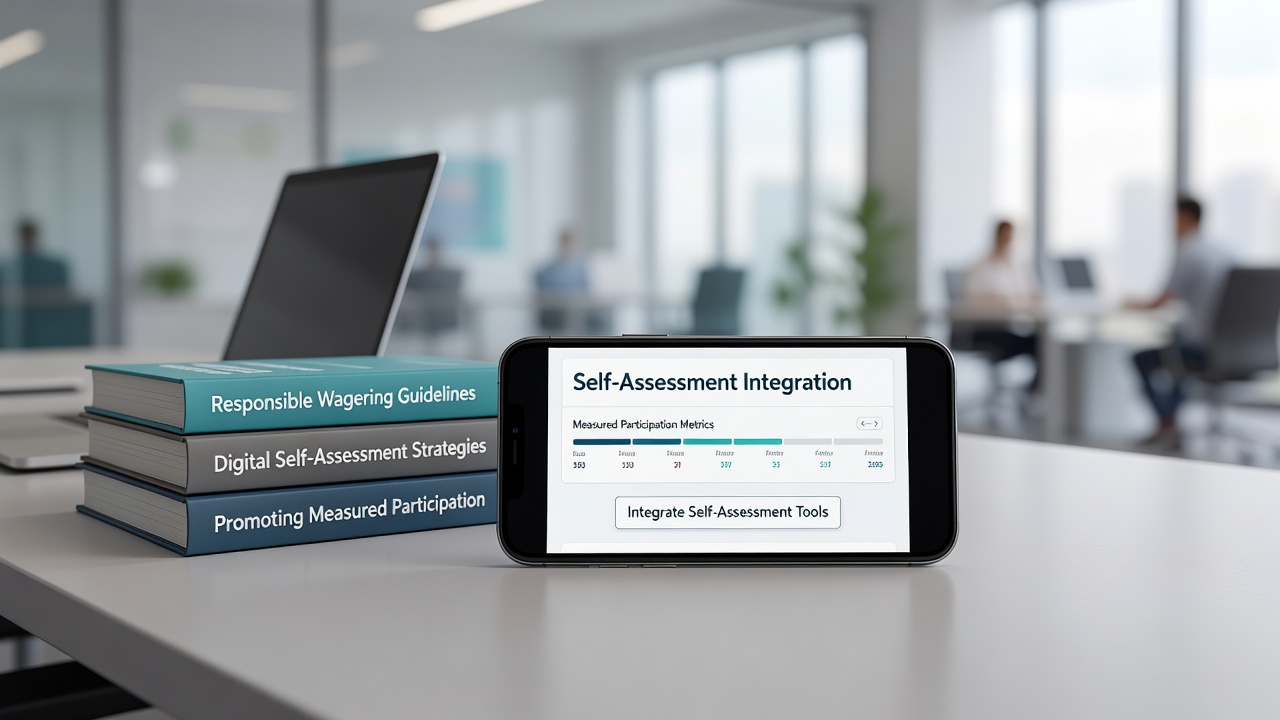
Figures released by the Australian Institute of Family Studies indicate that jurisdictions requiring self-assessment prompts at onboarding stages recorded a 12 percent increase in voluntary limit-setting activity during the first half of 2026 compared with prior periods, while parallel data from Singapore's regulatory framework showed comparable upticks when tools included follow-up reminders delivered via push notifications at customizable intervals.
Those who've reviewed aggregated platform statistics note that completion frequency correlates with higher retention of users who set spending caps, although direct causation remains under investigation through ongoing longitudinal projects that track account activity over 18-month windows.
Challenges in Widespread Adoption
Implementation faces hurdles around user fatigue when prompts occur too often, and some operators have tested adaptive scheduling that reduces frequency for individuals whose responses consistently fall into low-risk categories, while privacy considerations require clear data-handling disclosures that explain how assessment answers influence account features without sharing details with third parties.
Research indicates that transparent communication about tool purpose improves initial engagement rates, and platforms that integrated short video explainers alongside the first quiz saw completion percentages rise by roughly eight points in controlled comparisons conducted earlier this year.
Conclusion
Integration of self-assessment tools continues to evolve as smartphone wagering systems mature, with data from diverse regulatory environments demonstrating measurable links between tool usage and subsequent user-initiated controls on participation levels, and further refinements expected through 2027 as operators refine notification timing and interface design based on accumulated behavioral insights.