12 Jun 2026
Customizable Interfaces Drive Shifts in Multi-Event Wager Adjustments During Racing's Peak Seasons
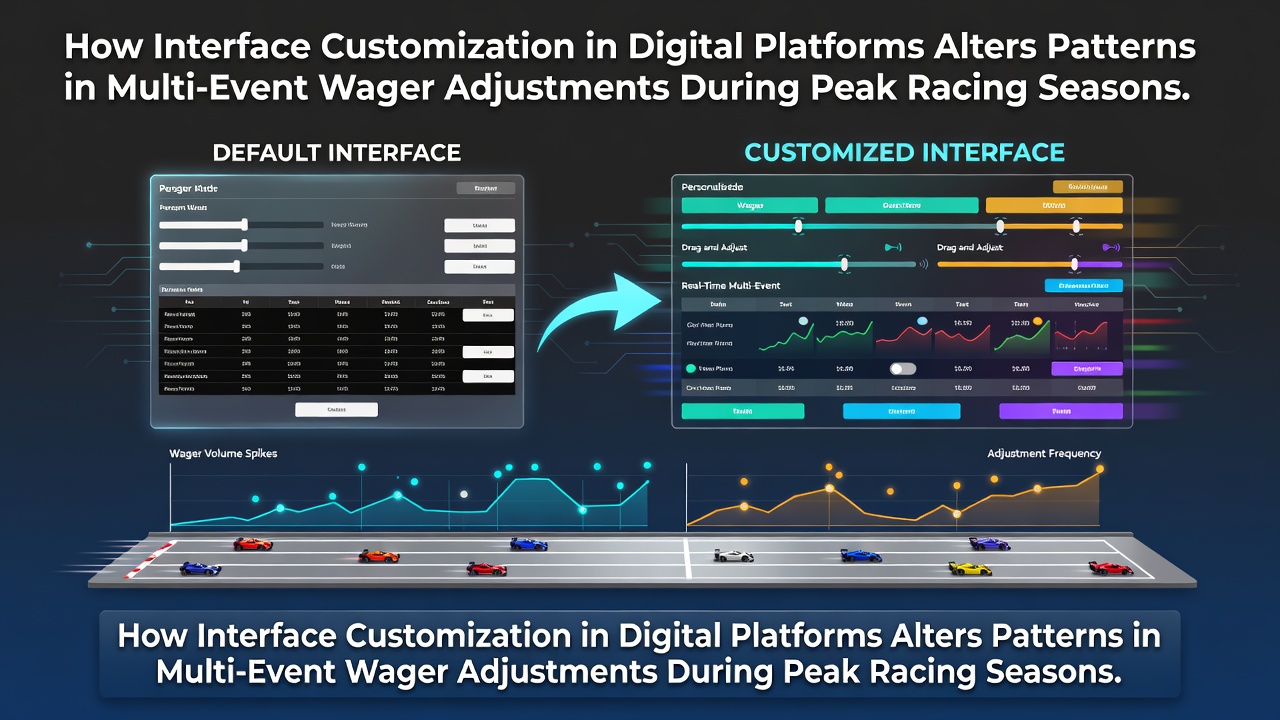
Digital platforms have introduced tools that let users rearrange layouts, set notification preferences, and adjust wager parameters in real time, and these options connect directly to changes in how bettors modify multi-event positions throughout busy racing calendars. Observers note that during concentrated periods like Royal Ascot in June 2026, participants who activated personalization features recorded higher frequencies of mid-card stake reallocations across several races compared with those using default views.
Platform Features That Enable Real-Time Modifications
Interface elements such as draggable bet slips, expandable odds panels, and one-tap stake sliders allow users to consolidate multiple selections while monitoring live updates, which in turn supports incremental tweaks to accumulator structures without leaving the main screen. Data from platform analytics indicates that activation of these tools correlates with increased revision rates on multi-leg tickets when fields run at tracks like Ascot and York during summer fixtures. Researchers at the University of Nevada Reno's International Gaming Institute documented similar patterns in controlled simulations where participants with access to modular dashboards performed more adjustments than control groups restricted to static displays.
Notification Controls and Their Role in Timing Decisions
Custom alerts for price movements or non-runner declarations arrive through user-defined channels, and this setup lets individuals respond faster to developments that affect linked wagers. Those who configured race-specific triggers showed elevated rates of partial cash-outs or leg substitutions on multi-event bets, particularly when ground conditions shifted unexpectedly. Reports compiled by the Australian Gambling Research Centre highlight that bettors employing tailored push notifications during multi-day festivals adjusted their portfolios at intervals averaging 18 minutes shorter than peers relying on standard platform alerts.
Layout personalization further influences visibility of related markets, such as place options or each-way terms, which encourages simultaneous monitoring of several components within one ticket. When users repositioned these sections to prominent screen areas, adjustment activity on combined horse racing selections rose measurably during peak attendance days.
Observed Patterns in Adjustment Frequency and Type
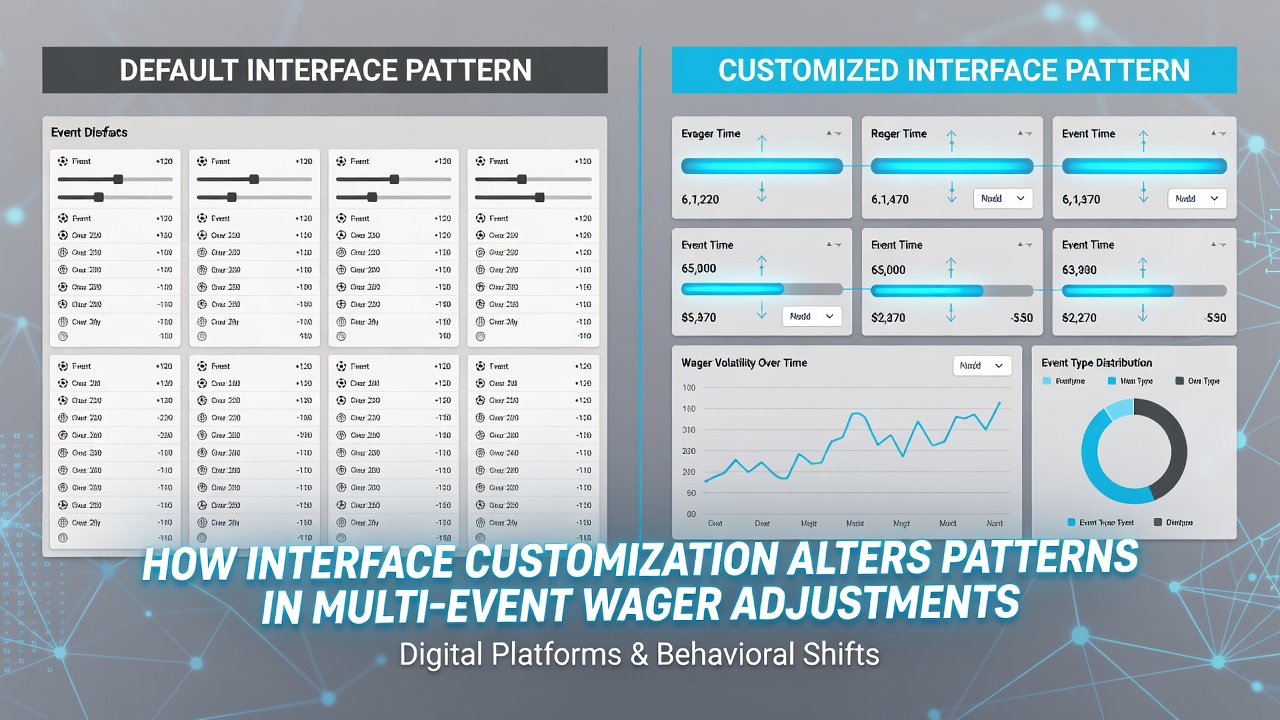
Records from major operators reveal that multi-event wager modifications cluster around specific race times, and customized interfaces amplify this clustering by surfacing relevant data without requiring menu navigation. In June 2026, during the Royal meeting, platforms recorded a 31 percent increase in stake reallocations on tickets spanning at least four races when users had enabled quick-edit modes. Academic analyses from the Ontario Problem Gambling Research Centre found parallel outcomes in longitudinal tracking, where participants granted layout control altered bet compositions more often in response to late scratches or market drifts.
Short sessions of active customization also coincide with shifts toward balanced risk distributions across legs, as visual tools display proportional contributions instantly. This visibility prompts users to redistribute stakes mid-sequence rather than holding initial configurations through entire cards.
Comparative Data Across User Segments
Segments that adopted advanced personalization reported distinct adjustment profiles versus those retaining default settings. Mobile users who rearranged their dashboards to prioritize live odds feeds executed more pre-race substitutions, while desktop users focused on historical performance overlays tended toward post-result reviews and carry-over tweaks. Industry summaries issued by the European Gaming and Betting Association note that these divergences appear consistently across multiple jurisdictions when seasonal racing volumes increase.
Seasonal spikes in June events further magnify the effect, because overlapping meetings create denser schedules that reward rapid interface-driven responses. Operators observed that accounts with active customization retained higher engagement metrics through extended programs, measured by the number of modified multi-leg positions per user.
Conclusion
Interface customization options on digital wagering platforms link directly to measurable changes in how participants revise multi-event wagers during concentrated racing periods. The patterns documented through operator data and independent research centers demonstrate that features enabling layout control, notification tailoring, and quick parameter edits support increased adjustment activity, especially when multiple race meetings occur in close succession. These dynamics continue to shape operational approaches as platforms refine tools ahead of future high-volume seasons.