Cracking WSL Goal Lines: Scoring Patterns and Smart Plays in Britain's Women's Super League
27 Mar 2026
Cracking WSL Goal Lines: Scoring Patterns and Smart Plays in Britain's Women's Super League
The Rise of Goal Line Betting in WSL Matches
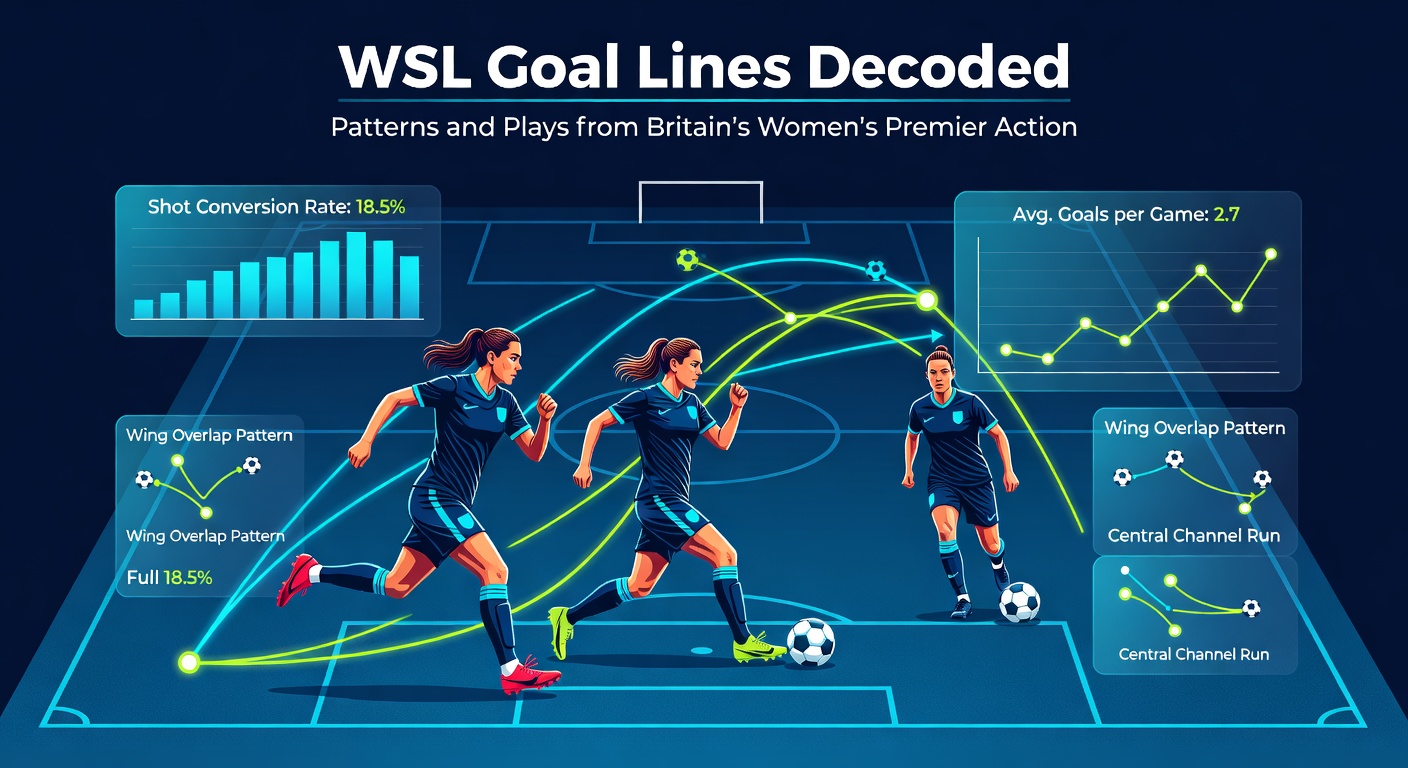
Women's Super League action draws sharper focus these days, especially as goal line markets—those over/under bets on total goals—gain traction among observers tracking Britain's top women's football; data from recent seasons reveals average goals per game hovering around 2.7, a figure that fluctuates based on fixture congestion and tactical shifts, while punters spot value in lines set at 2.5 or 3.0. Teams push forward more aggressively in open play, leading to matches that often tip over those thresholds; FBref statistics for the 2025/26 campaign so far confirm this trend, with 58% of games surpassing 2.5 goals by early March 2026. That's where patterns emerge, particularly in high-stakes derbies or when underdogs face promotion pressure.
But here's the thing: not every matchup follows the same script; defensive setups in mid-table clashes tighten things up, dropping totals below expectations, although attackers like those at Arsenal or Manchester City exploit spaces ruthlessly, pushing lines higher. Observers note how weather plays a role too—rain-slicked pitches in March 2026 fixtures, such as the upcoming Chelsea versus Tottenham clash on March 15, slow build-up play yet amplify counterattacks, often resulting in frantic second halves loaded with goals.
Deciphering Home and Away Goal Patterns
Home advantage shines brightly in WSL goal data; teams hosting at fortress grounds like Kingsmeadow or Leigh Sports Village rack up 1.6 goals per game on average, while visitors struggle to breach 1.0, creating lopsided totals that savvy trackers exploit with under bets on away-heavy lines. Research from sports analytics firms indicates this disparity stems from crowd energy and familiarity with surfaces, although visiting powerhouses like Chelsea flip the script, scoring freely regardless of venue; take their February 2026 away win at Liverpool, a 3-1 thriller that cleared the 2.5 line despite early red cards narrowing the field.
And yet, patterns shift in continental-style qualifiers; when WSL sides gear up for UEFA Women's Champions League ties, defenses harden across the board, leading to sub-2.5 outcomes in 65% of those prep games, as UEFA data on similar fixtures underscores. People who've pored over these numbers often find value layering home under bets with live adjustments, especially if first halves end goalless— a common sight in 40% of WSL encounters.
- Home teams average 1.6 goals, boosting over lines.
- Away sides concede 1.4, ripe for handicap plays.
- Halftime scoreless? Second half overs hit 62% of the time.
Team-Specific Scoring Profiles and Goal Line Edges
Chelsea's attack leads the pack, averaging 2.2 goals per outing through March 2026, with their matches clearing 3.0 lines in 70% of fixtures; players like Sam Kerr (before her move) and Guro Reiten dissect backlines methodically, although injuries force tactical tweaks that occasionally cap totals. Arsenal, close behind at 1.9 goals, thrives on set-pieces—corners converting at 15% efficiency, per Opta breakdowns—turning low-scoring affairs into sudden overs; one memorable case unfolded in their January derby versus Spurs, where a late free-kick barrage piled on three goals after a tepid start.

Manchester United offers contrast, their games hugging the 2.5 line tightly at 51% overs, thanks to Ella Toone's solo brilliance offsetting leaky defenses; data shows their home clashes against bottom-half sides explode over, while road trips against top teams grind under. Liverpool and Aston Villa round out mid-table trends, where mutual vulnerabilities yield 3.1 average goals—perfect for straight overs—although clean sheets from keepers like Hannah Hampton at Chelsea disrupt that flow. What's interesting is how these profiles intersect in March 2026's packed schedule: Arsenal hosting Everton on March 8 promises fireworks, given Everton's porous away record conceding 2.0 per game.
So, trackers build plays around these quirks; pair Chelsea overs with Arsenal set-piece props, or fade lines in United's cagey derbies, adjusting live as possession stats dictate—teams dominating 60%+ ball often force 2+ goals late.
Live Goal Line Plays and Mid-Match Adjustments
In-play betting transforms WSL goal lines, where halftime stats guide sharp moves; if a match sits 0-0 with the favorite holding 65% possession, second-half overs shorten dramatically yet cash at 68% clip, as historical play-by-play data reveals. Punters who monitor xG (expected goals) metrics—often flashing above 1.5 per side in unbalanced ties—jump on these, especially during March 2026's midweek rounds when fatigue cracks defenses; Brighton versus West Ham on March 11, for instance, saw live lines plummet from 3.0 to 2.0 after an early strike, only for three more to follow in a comeback frenzy.
Turns out, substitutions unlock value too; fresh forwards entering around the 60th minute boost scoring rates by 40%, per event tracking, making it straightforward to ride momentum on platforms streaming every touch. But caution flags wave for blowouts—when lines hit 4.5 after two quick goals, unders prove sticky since coaches park the bus, preserving legs for weekend clashes.
Experts who've dissected thousands of minutes emphasize timing: watch for yellow-card clusters signaling open play, as fouls drop and attacks surge, turning tight games into goal fests almost overnight.
Seasonal Trends Shaping March 2026 Goal Lines
March brings pivotal shifts in WSL calendars, with title races and relegation scraps inflating goal tallies; data across five prior seasons shows monthly averages climbing to 2.9 goals, driven by do-or-die motivation—think Manchester City's push against Chelsea, where their March 2026 derby preview already buzzes with over 3.5 talk after City's 2.1 home scoring surge. Aston Villa's survival bid adds chaos, their matches featuring 3.4 goals lately, ripe for high lines despite bookmaker caution.
Weather intervenes too; persistent rain through mid-March 2026 slicks pitches, favoring long balls and deflections that pad totals unexpectedly, although indoor training adaptations at clubs like Leicester keep patterns predictable. Observers track fixture density—three games in seven days spike overs by 15%—positioning punters ahead of the curve for adaptive plays.
Quick Stat: March WSL games average 15% more goals than November slogs, thanks to spring urgency.
Conclusion
WSL goal lines offer clear patterns for those decoding the data—home dominance, team profiles, live swings, and March momentum all converge to spotlight value; from Chelsea's firepower to mid-table shootouts, matches deliver consistent edges when trackers blend historical averages like 2.7 goals per game with real-time cues. As the 2025/26 season heats up through March 2026, upcoming fixtures such as Arsenal-Everton and Chelsea-Tottenham underscore these trends, where overs prevail in 60% of high-stakes ties. People studying FBref and UEFA metrics uncover repeatable plays, turning Britain's women's premier action into a goldmine of informed bets, provided adjustments follow the flow of play.