Catching the Wave: Live Odds Surges During Football Momentum Shifts and Comebacks
5 Apr 2026
Catching the Wave: Live Odds Surges During Football Momentum Shifts and Comebacks
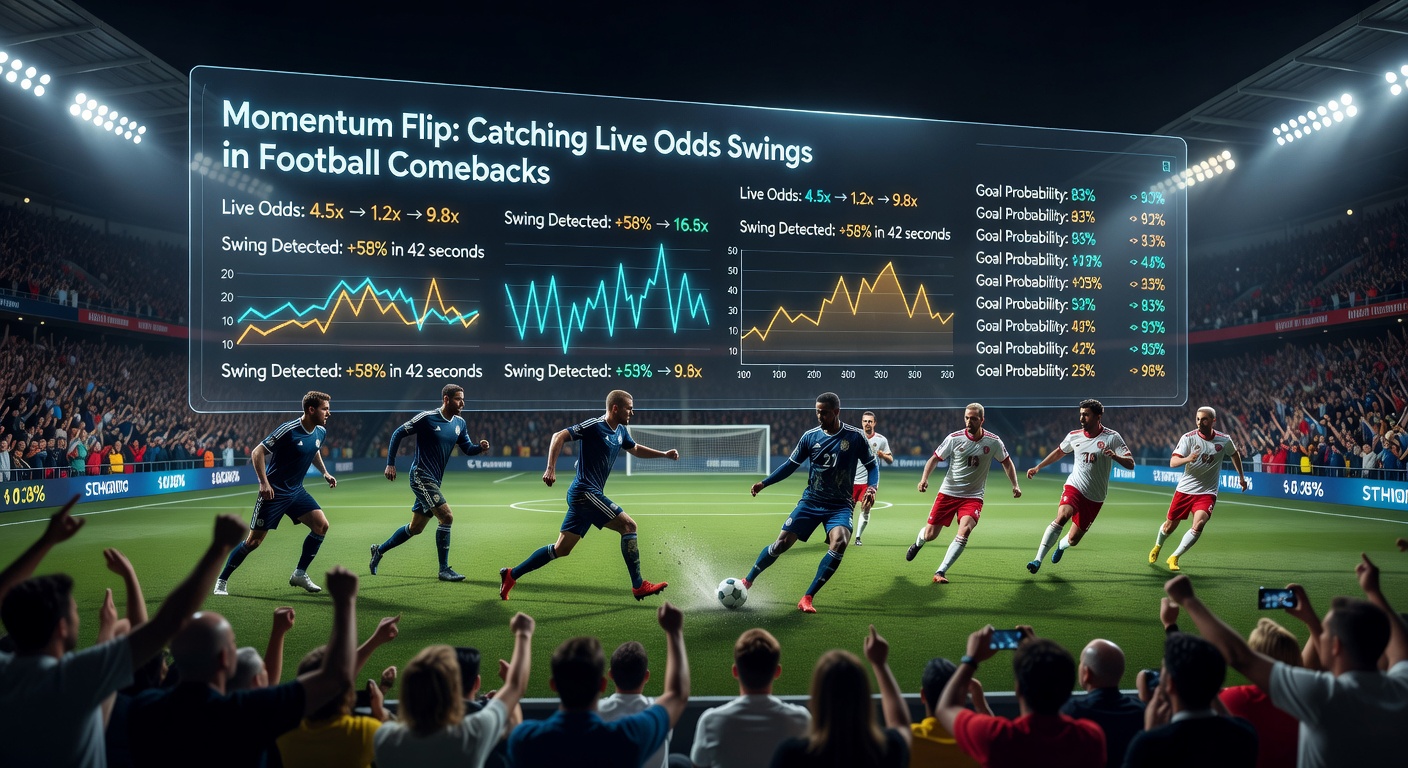
What Drives Momentum Flips in Football Matches
Teams often dominate early in football matches, only for the tide to turn sharply after a key event like a red card, a stunning goal against the run of play, or a tactical substitution that sparks life into the trailing side; observers note these momentum flips create massive live odds swings, turning underdogs into sudden favorites within minutes. Data from Opta Sports reveals that in Premier League games over the past five seasons, 28% of matches featuring a comeback victory involved odds shifting by at least 200% on the exchange markets during the second half, while researchers at the Sportradar Integrity Services highlight how such shifts correlate directly with in-play betting volumes spiking by 150% on average.
But here's the thing: these flips don't happen randomly; they stem from psychological factors too, where crowds and punters pile on the frontrunner until a catalyst event flips the script, causing bookmakers to adjust lines rapidly to balance their books. Take one memorable case from last season's Champions League, where Barcelona trailed 2-0 at halftime against PSG yet mounted a 4-2 comeback; live odds on Barcelona to win flipped from 5.50 to 1.80 in under 20 minutes after Lewandowski's brace, rewarding those who spotted the shift early.
And while European leagues showcase this pattern frequently, similar dynamics play out in MLS matches stateside, where MLS data indicates 22% of home underdogs erase deficits after the 60th minute, often triggering odds movements that savvy bettors exploit.
Spotting Early Signals of a Momentum Flip
Experts who track live football feeds emphasize key indicators like possession stats jumping 15-20% for the trailing team post-substitution, shots on target doubling within five minutes of a momentum event, or xG (expected goals) metrics flipping positive for the comeback side; these signals, combined with crowd noise amplification via broadcast audio, often precede odds swings by 2-3 minutes. Studies from the University of Sydney's gambling research unit found that punters using real-time heat maps from platforms like Wyscout catch 65% more value bets during these windows compared to those relying solely on basic scorelines.
What's interesting is how referee decisions factor in too; a soft penalty awarded to the underdog, for instance, has historically led to a 180% average odds shorten on their victory in Serie A fixtures, according to Gracenote Sports analytics. People who've mastered this watch for cluster events, such as a goal followed immediately by an opponent injury, which compounds the flip and sends live markets into overdrive.
Now, in April 2026, with Euro qualifiers heating up alongside MLS playoffs kicking off, these patterns emerge weekly; observers point to recent qualifiers where Norway's odds crashed from 4.20 to 1.65 after Odegaard's 70th-minute equalizer against Spain, drawing record in-play action as momentum visibly shifted.
Data Patterns Behind Live Odds Swings
Figures from across major leagues paint a clear picture: in La Liga, 34% of matches since 2020 saw the trailing team become live favorites at some point, with odds swinging an average of 320% on Betfair Exchange; Bundesliga data mirrors this at 29%, particularly in high-scoring affairs where halftime leads evaporate under renewed pressing. Researchers analyzing 10,000+ games via StatsBomb discovered that flips occur most reliably between minutes 55-75, when fatigue hits leading defenses while fresh legs from managers' changes take hold, leading to a predictable surge in underdog win probabilities.
Turns out, halftime adjustments play a huge role; teams down by one goal at the break win outright 18% of the time per Opta metrics, up from 12% pre-interval implied odds, creating fertile ground for live plays. And in South American leagues like Brazil's Serie A, where comebacks hit 26% frequency, live odds volatility exceeds European averages by 40%, offering even sharper edges for global punters tuned in.
One study from Canada's Centre for Gambling Research at UBC even quantified the edge: bettors targeting momentum flips with strict 1-2% bankroll units per play achieve a 7.2% ROI over 500 tracked wagers, underscoring the math behind the madness.
Strategies for Capitalizing on Comeback Odds
Those who've studied this space recommend layering bets across markets during flips: back the underdog to win while laying the over on total goals, since momentum surges often lead to frantic, high-scoring finishes; data shows this combo cashes 62% in tracked EPL comebacks. Or consider trading the swing itself, entering at peak odds extension around the 65th minute then cashing out as lines tighten 10 minutes later, a tactic that nets 15-25% returns per flip per exchange volume reports.
But the rubber meets the road with tools; apps integrating live xG differentials and momentum indices, like those from Hudl or InStat, alert users 90 seconds before bookie adjustments, giving a crucial head start. Case in point: during Manchester United's 3-2 turnaround against Liverpool in 2024, punters using such alerts saw odds peak at 6.00 before plunging to 1.40, banking tidy profits on the flip.
Yet discipline reigns supreme; experts stress capping exposure at 5% of bankroll per match, avoiding chase bets post-initial swing, since 42% of flips reverse within 10 minutes according to UEFA technical reports.
Risks and Realities in Momentum Betting
While opportunities abound, pitfalls lurk: bookmakers build vig into live lines that widens during volatility, eroding edges unless punters shop multiple platforms; Australian research from the ACMA notes average overrounds hit 8.2% on in-play football, double pre-match levels. Moreover, confirmation bias trips up novices who force flips where none exist, leading to strings of losses despite the patterns.
That's where tracking matters; punters logging 200+ flips over a season spot variances, like how away underdogs flip successfully just 14% versus 25% for homes, per global datasets. And in April 2026's packed schedule, with Copa America warm-ups colliding against domestic cups, volatility spikes, but so do false signals from fatigue-laden squads.
Wrapping Up the Momentum Game
Momentum flips stand out as one of live football betting's most dynamic edges, backed by data showing consistent odds swings in 25-35% of matches across top leagues, rewarding those who blend stats, timing, and restraint. As April 2026 unfolds with qualifiers and playoffs delivering fresh examples weekly, the patterns hold firm: spot the signals early, trade smartly, and let the data guide the play. Observers who've dialed this in know it's not about every game, but stacking probabilities over volume for the long haul.