27 Jul 2026
App-Driven Strategies for Bonus Integration and Risk Oversight in Football and Racing Markets

Operators have developed mobile platforms that combine multiple bonus structures with automated monitoring systems designed to track simultaneous events across football and horse racing markets, and these tools have expanded steadily through mid-2026. Research from the Australian Gambling Research Centre shows that layered promotions, including free bet credits, accumulator boosts, and cashback offers, now integrate directly with real-time algorithms that adjust exposure limits based on live market movements. Observers note that the combination allows platforms to process data from dozens of concurrent fixtures and races while maintaining compliance parameters set by various regulatory bodies.
Mechanics of Layered Bonuses in Betting Applications
App developers structure bonus layers so that users can apply multiple incentives to single or combined selections, and the systems calculate eligibility through automated checks that reference account history alongside current stake sizes. Data from industry reports indicates that football markets often feature goalscorer specials paired with match result accumulators, whereas racing platforms layer each-way terms with place market enhancements. Those who study these systems find that the software sequences the application order to prevent overlapping credits from exceeding predefined thresholds, and this sequencing occurs within milliseconds of each bet placement.
Real-Time Controls Across Multiple Events
Real-time risk modules scan live data feeds from both football matches and racing meetings, adjusting available stakes or suspending certain bonus applications when volatility exceeds internal parameters. Figures released by the National Council on Problem Gambling in the United States reveal that such controls have been adopted more widely since early 2026, particularly in jurisdictions where operators must demonstrate proactive exposure management. Experts have observed that the algorithms differentiate between high-volume football betting periods, such as weekend fixture lists, and concentrated racing schedules like festival meetings, applying distinct risk weights to each category.
Implementation in Football Markets
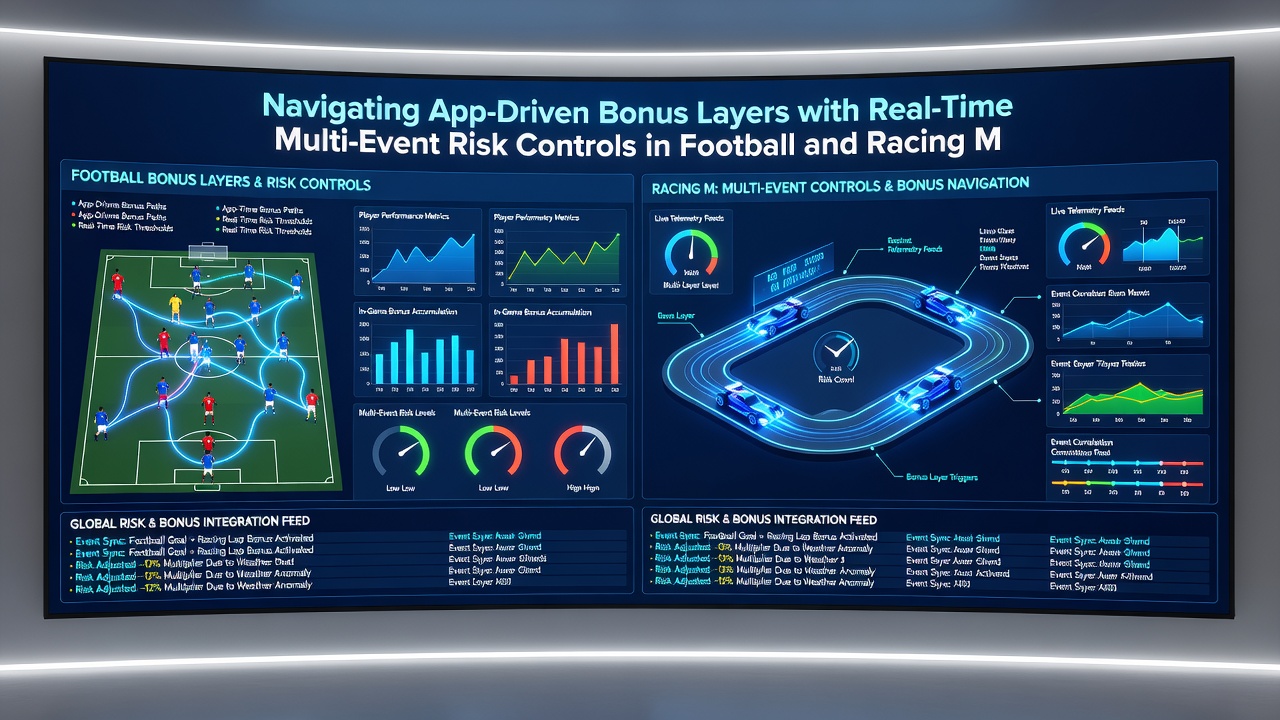
Football betting interfaces display bonus overlays that update automatically when live odds shift, and the same interfaces monitor accumulator progress across several matches simultaneously. Studies conducted by academic researchers at Canadian universities have documented how platforms flag unusual patterns, such as rapid stake increases on correlated outcomes, and respond by limiting further bonus activation on those selections. In July 2026 several operators introduced enhanced dashboards that combine streaming data with risk meters, allowing users to view remaining bonus eligibility alongside projected exposure across ongoing games.
Application Within Racing Markets
Racing apps apply similar layering techniques to each-way bets and place markets, yet the real-time controls must account for non-simultaneous race starts across different venues. Reports compiled by the Responsible Gambling Council in Canada indicate that these platforms now incorporate weather and track condition variables into their risk calculations, because late changes can alter both bonus qualification and overall liability. Users frequently encounter prompts that confirm whether an active bonus remains valid after a horse is withdrawn, and the system recalculates potential returns without manual intervention.
Cross-Market Integration and Data Handling
Platforms increasingly permit users to combine football and racing selections within the same accumulator, and the risk engines evaluate the joint exposure before confirming the combined stake. Data shows that such cross-market products require precise timing controls, since football matches run for fixed durations while races occur at staggered intervals. Researchers have documented cases where algorithms temporarily pause bonus stacking when one market segment reaches internal volatility thresholds, and this pause prevents unintended accumulation of risk across unrelated events.
Regulatory Context in July 2026
By July 2026 several international jurisdictions had updated technical standards that require demonstrable audit trails for every bonus adjustment triggered by real-time monitoring, and operators must supply logs to oversight bodies on request. The changes have prompted developers to refine notification systems that inform users when a layered bonus is modified or restricted due to multi-event risk parameters. Observers point out that these requirements differ from region to region, prompting platforms to maintain separate rule sets for each licensed market.
Conclusion
App architectures that merge layered bonuses with live multi-event controls continue to evolve in response to both technological capabilities and regulatory expectations, and current implementations focus on seamless processing across football and racing environments. Reports from diverse research organisations confirm that these systems process large volumes of concurrent data while enforcing exposure limits, and further refinements are anticipated as operators adapt to updated technical standards through the remainder of 2026.