17 Jul 2026
Algorithmic Synchronization of Odds Adjustments with Behavioral Data in Live Event Platforms
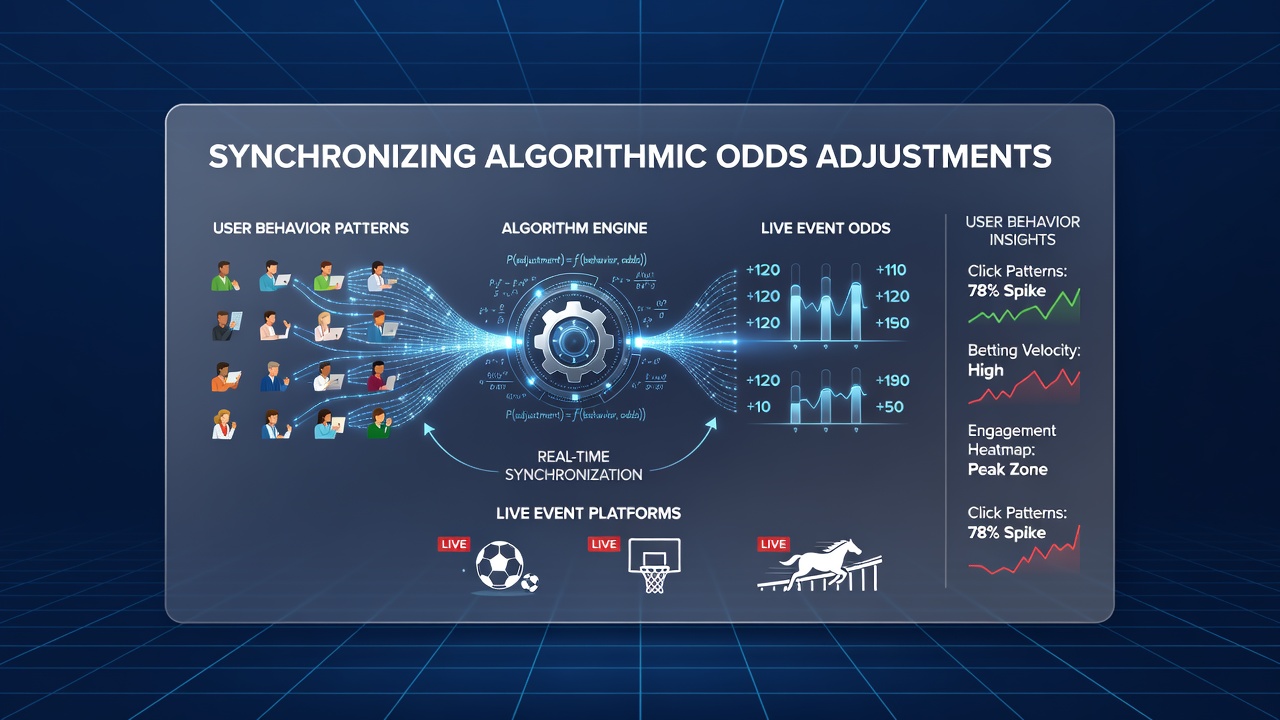
Live event platforms rely on algorithmic systems that continuously adjust odds in response to incoming data streams from user interactions, and these adjustments occur through machine learning models trained on historical and real-time behavioral signals. Data indicates that platforms process millions of inputs per minute during peak events, including bet volumes, timing patterns, and session durations, to recalibrate probabilities and maintain market equilibrium. Researchers at institutions studying digital marketplaces have documented how such synchronization reduces latency between user actions and odds shifts, often to under 200 milliseconds in optimized environments.
Core Components of Behavioral Pattern Analysis
Algorithms identify recurring sequences in user activity by clustering data points such as stake sizes, selection frequencies, and navigation paths through event interfaces. Studies from academic teams at North American universities show that these clusters form distinct profiles, where one group might favor high-frequency small wagers while another concentrates activity around specific event milestones like halftime or final quarters. Platforms feed these profiles into predictive layers that anticipate volume surges, allowing preemptive odds tweaks before imbalances develop in the betting pool.
Integration happens through feedback loops where each completed transaction updates the model parameters, and this process draws on techniques like reinforcement learning to refine accuracy over successive events. Figures from industry reports reveal that platforms employing these loops achieve tighter spreads between opening and closing odds compared to static systems, with adjustments reflecting not just total volume but also the velocity of behavioral shifts.
Technical Synchronization Methods
Real-time data pipelines connect front-end user interfaces directly to backend probability engines, using event-driven architectures that trigger recalculations on every significant action threshold. Engineers implement feature extraction layers that convert raw clicks and bets into normalized vectors suitable for neural network processing, and these vectors incorporate contextual elements such as device type, geographic signals, and time-of-day correlations. According to technical papers published by European research consortia, synchronization protocols often employ distributed computing clusters to handle concurrent streams without introducing delays that could affect fairness or liquidity.
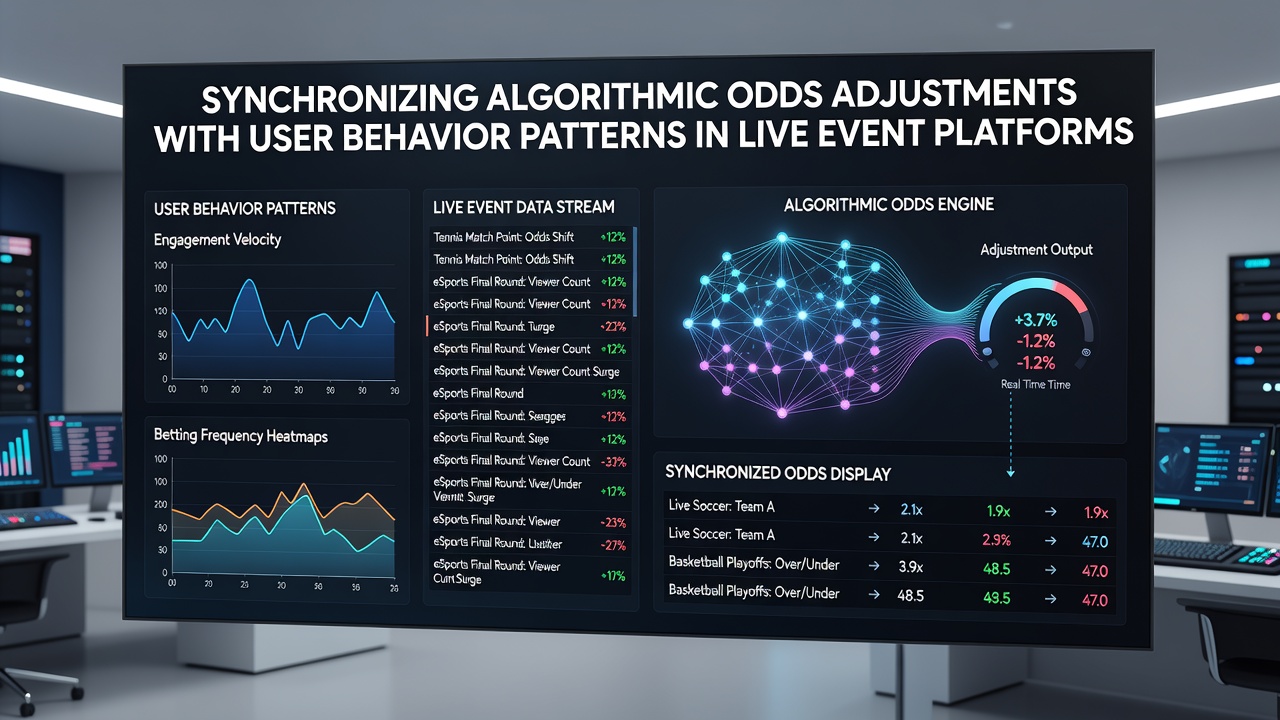
Multi-model ensembles combine outputs from regression-based predictors with anomaly detection modules, which flag unusual pattern deviations that might indicate coordinated activity or sudden interest spikes. Platforms test these ensembles through simulation environments replicating live conditions, and calibration occurs against benchmarks derived from past event datasets spanning multiple seasons. As of July 2026, several major operators reported deploying updated ensemble versions that incorporate additional biometric session indicators where permitted by regional regulations.
Implementation Across Global Platforms
North American operators have integrated these systems into major league coverage, adjusting lines during games based on live engagement metrics collected from mobile and desktop sessions. Australian regulatory filings detail similar approaches in racing and sports markets, where behavioral synchronization helps stabilize pools during high-traffic periods such as major tournaments. Industry associations in the Asia-Pacific region publish guidelines encouraging transparency around how user data influences automated adjustments, though implementation details vary by jurisdiction.
One documented case involved a platform that layered graph neural networks onto traditional statistical models, enabling detection of relational patterns across user groups rather than isolated individuals. This produced more responsive odds movements during live segments, particularly when early betting activity deviated from historical norms for comparable events. Data from such deployments indicates measurable improvements in market depth and reduced instances of suspended lines due to rapid imbalances.
Regulatory and Ethical Considerations
Government agencies in multiple regions require operators to maintain audit trails of algorithmic decisions, including how behavioral inputs contribute to specific odds changes. The National Council on Problem Gambling has referenced these technologies in discussions around responsible gaming tools, noting their potential to flag atypical patterns for further review. European trade groups have issued position papers on algorithmic accountability that emphasize explainability requirements for automated systems affecting consumer outcomes.
Platforms must balance synchronization speed against compliance mandates, often building in override mechanisms that allow human supervisors to pause automated adjustments during flagged periods. Research from Canadian academic sources highlights the role of third-party audits in verifying that behavioral data processing adheres to privacy standards while still delivering functional odds calibration.
Conclusion
Algorithmic synchronization of odds with user behavior patterns continues to evolve through advances in data processing and machine learning architectures, supported by regulatory frameworks across different continents. Platforms that implement these methods report enhanced operational stability during live events, while external oversight bodies monitor their application for compliance and transparency. Ongoing research from diverse institutions provides the foundation for further refinements in how behavioral signals translate into real-time market responses.